
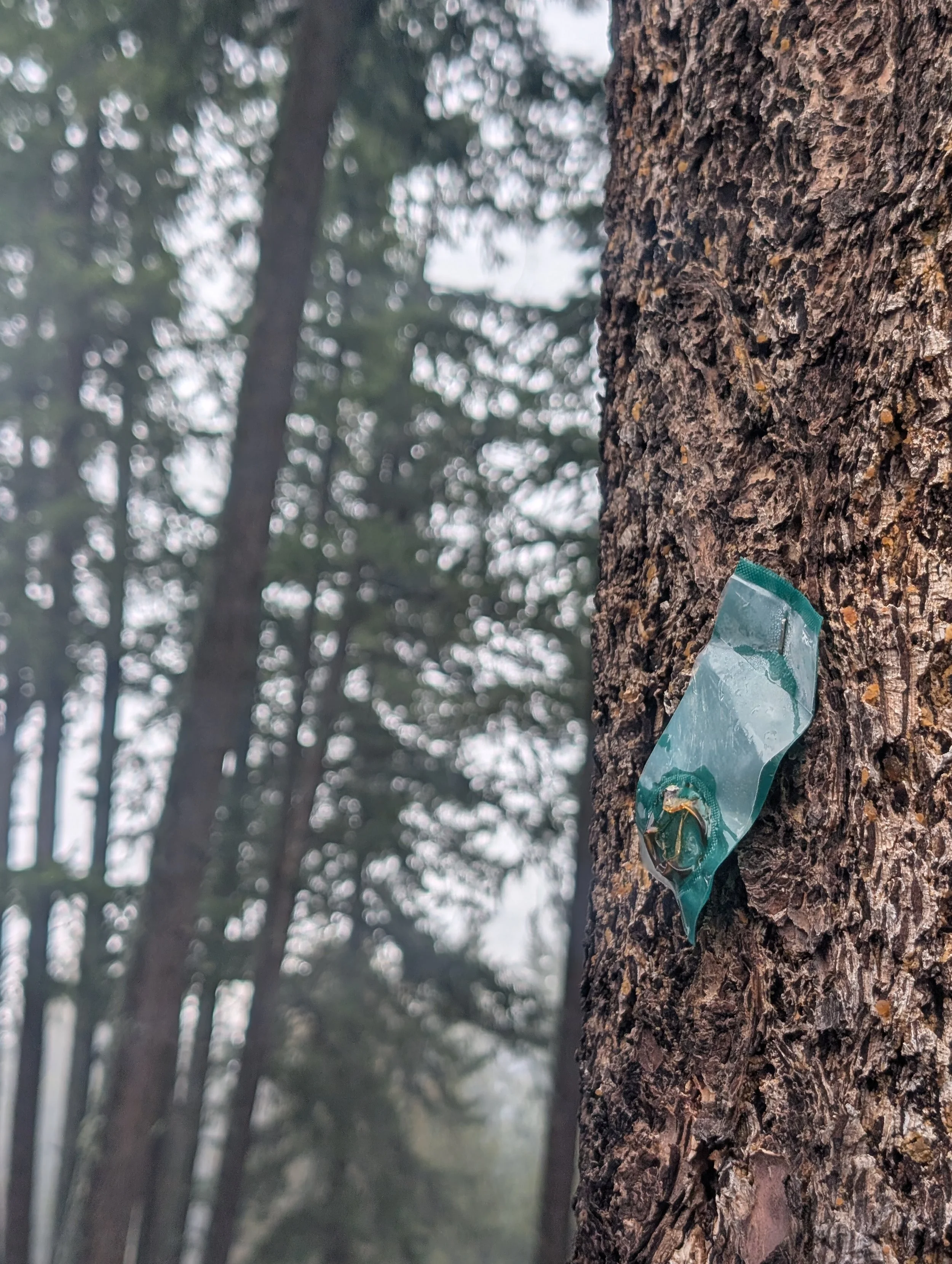
How to Save Your Douglas Firs: A Guide to MCH Pheromone Packs
Protect your Douglas Firs from the deadly Douglas-fir beetle with the power of nature-mimicking science. Our latest guide covers everything you need to know about MCH pheromone packs—an eco-friendly "No Vacancy" sign that deters beetles from attacking your high-value trees. Discover how these non-toxic packs work, the critical spring installation window, and how we are helping local homeowners preserve their landscape’s canopy.
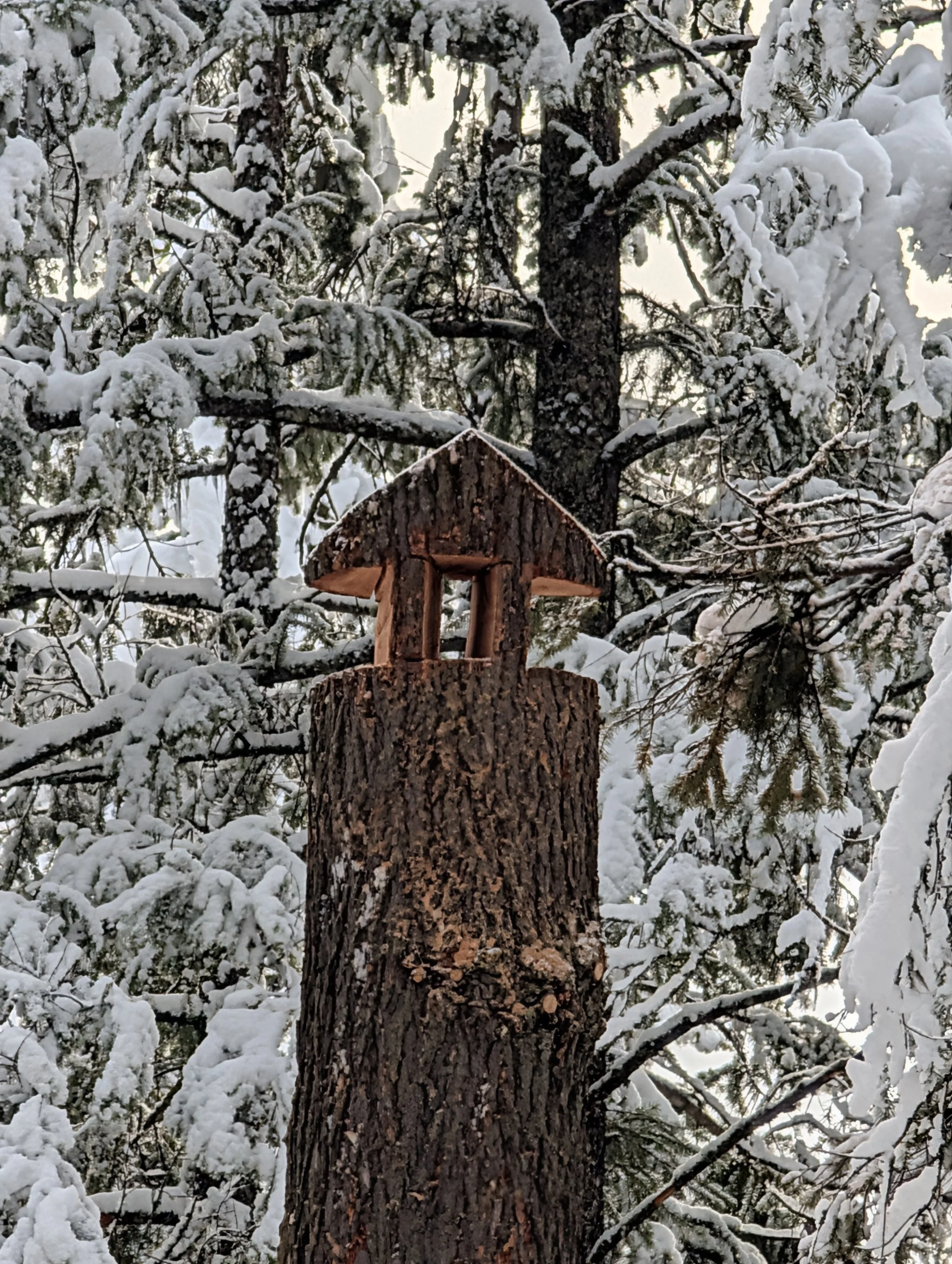
Life After Death: Why Leaving a Habitat Stem is the Smartest Way to Remove a Tree
Thinking of removing a dead tree? Before you cut it flush to the ground, consider a "habitat stem." Learn how this eco-friendly alternative to standard tree removal can save you money on labor costs while creating a vital sanctuary for local birds and pollinators. Discover why life after death is the smartest trend in modern tree care.
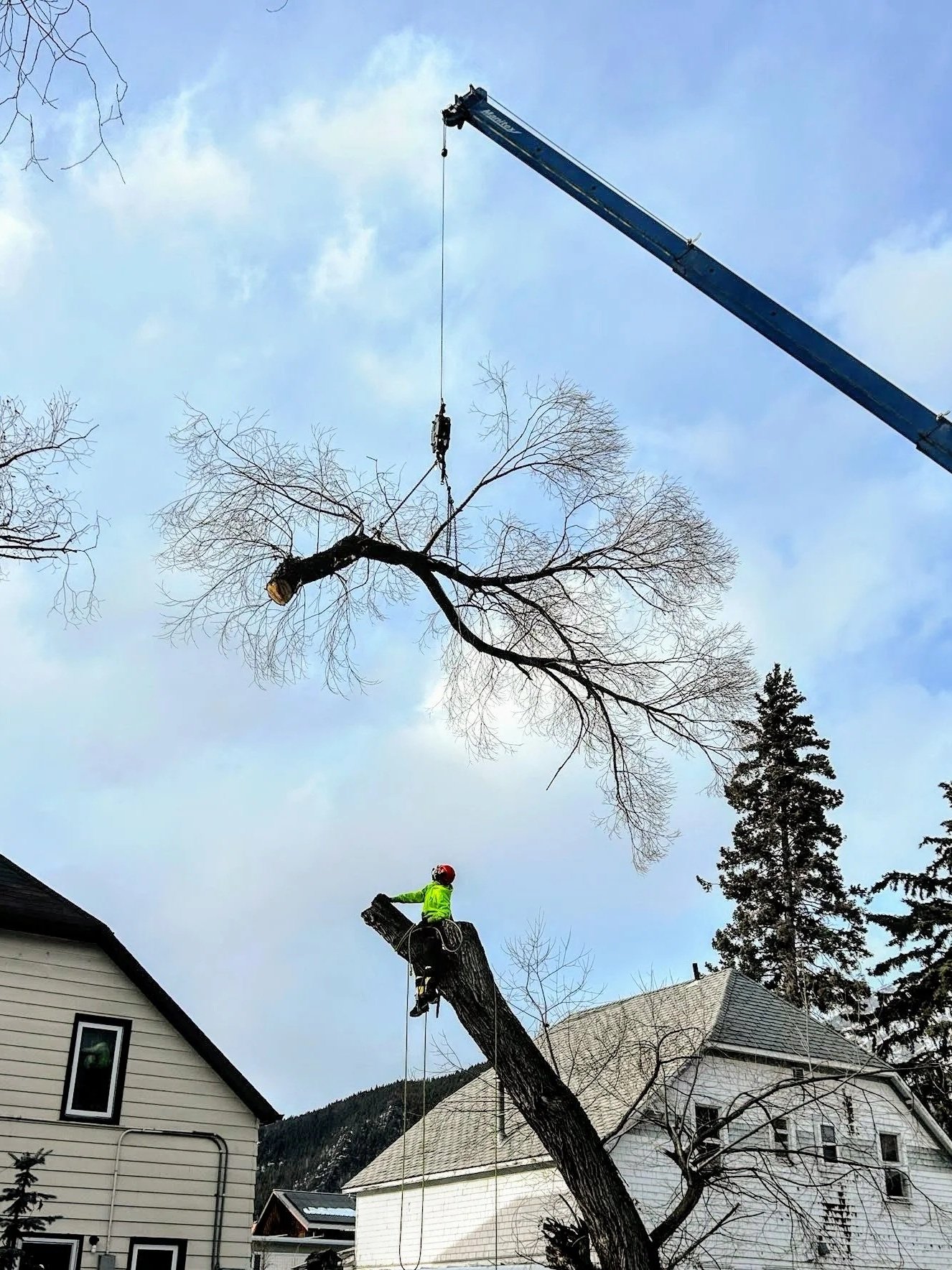
💸 Beyond the Estimate: 5 Hidden Factors That Determine the Cost of Tree Removal
Why Did That Tree Removal Quote Cost So Much? (Hint: It’s Not Just the Size)
If you've ever received an estimate for tree removal, you know the price can be surprising. But the cost is less about the tree's height and more about the risk and complexity of the job. Our certified arborists reveal the five hidden factors that drive tree removal costs: from why a dead or decayed tree costs more than a healthy one, to the crucial role of complex rigging and crane usage over your house. This is a must-read before hiring any contractor.
Read the full guide on what your tree removal fee actually covers.
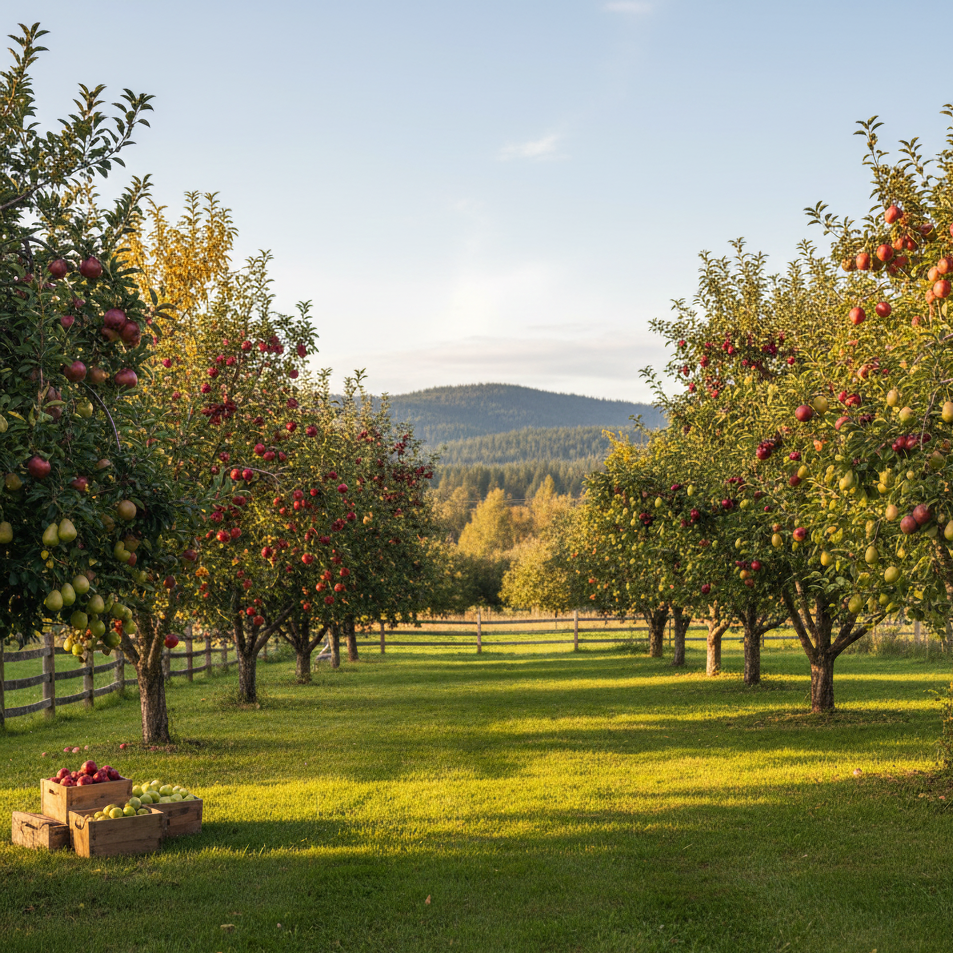
🍎 The Best Time to Prune: Why Dormancy Pruning is Essential for Your BC Interior Fruit Trees
The Secret to Your Best Fruit Harvest is a Sharp Blade in Late Winter.
If your backyard fruit trees aren't producing the yield you expect, the timing of your pruning may be the problem. For most fruit varieties in the BC Interior, pruning during the dormant season (late winter/early spring before bud break) is absolutely essential. Our Certified Arborists explain how dormancy pruning redirects the tree's energy into fruit production, creates an ideal open structure for sunlight, and minimises disease risk. Learn the key steps to setting your apple, cherry, or pear trees up for a massive harvest.
Read the full guide on maximising your fruit yield.
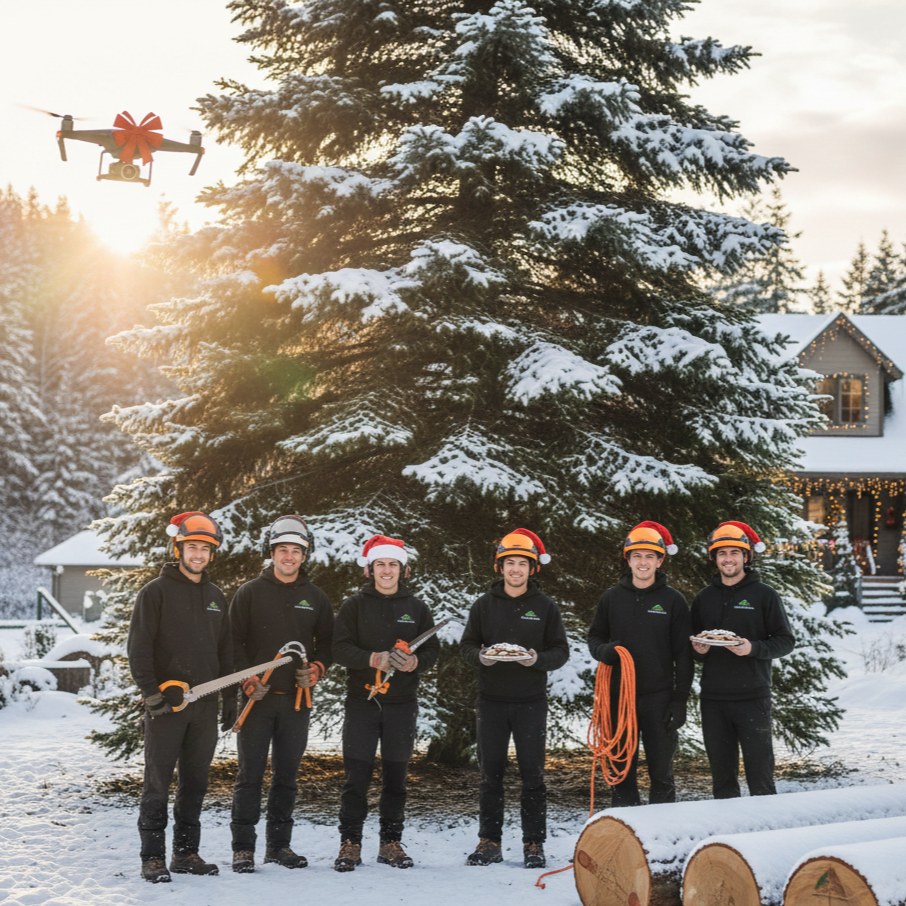
🎄 From Our Forest to Yours: Wishing You a Joyful Christmas & a Happy New Year!
Warm Wishes and Winter Safety from Trees and Co. Arborist Services
As the year winds down, the entire team at Trees and Co. Arborist Services wishes you a Christmas filled with joy and a New Year full of growth. Beyond the cheer, we've included essential safety reminders for the season—like why you must keep your indoor Christmas tree well-watered to prevent fire, and the right way to manage heavy snow on outdoor branches. Join us in reflecting on the past year and start dreaming about the strong, healthy trees you’ll cultivate in 2026!
Read our full holiday greetings and winter tips.
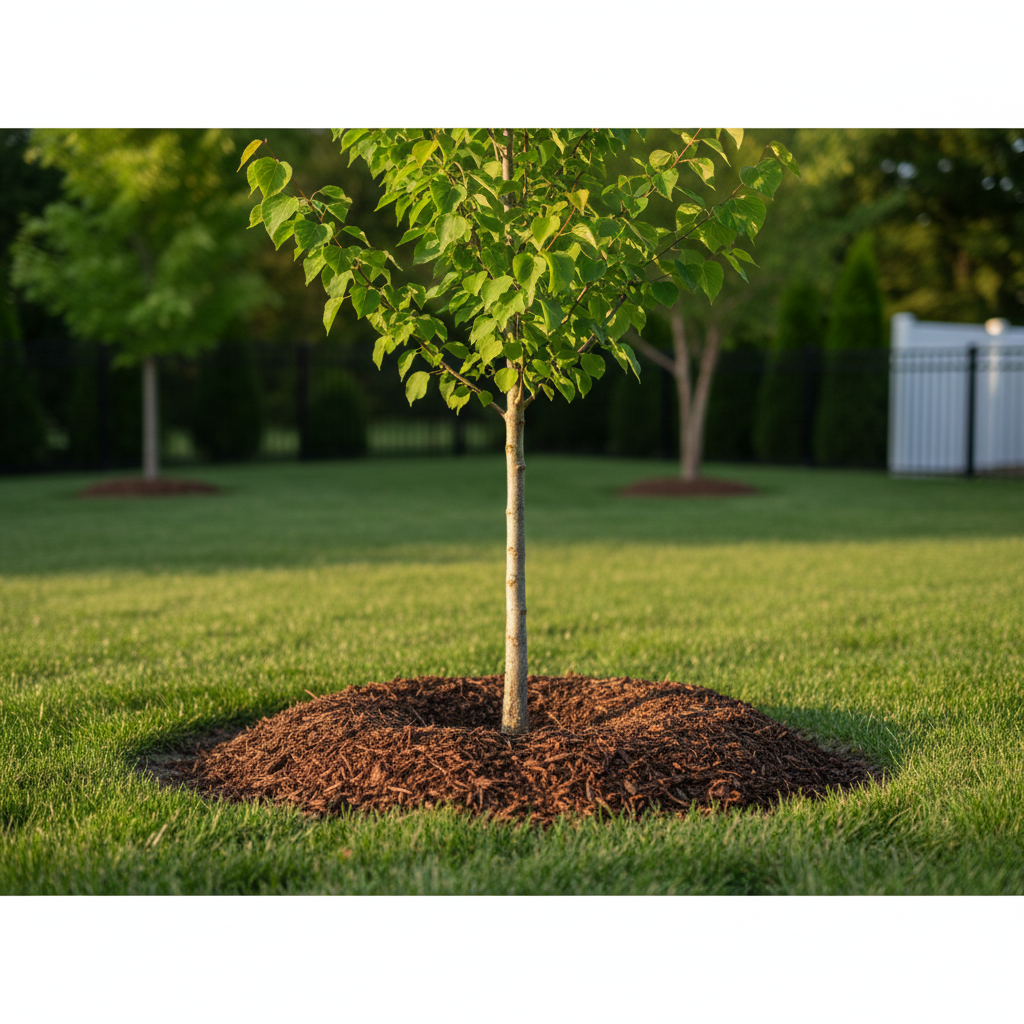
🌱 Starting Strong: The Certified Arborist’s 5-Step Guide to Planting a New Tree in the Columbia Shuswap/BC Interior
The First 5 Years Depend on the First 5 Minutes.
Planting a new tree is a long-term investment, but mistakes made on day one can create problems that last a lifetime. In the dry, varied climate of the Columbia Shuswap/BC Interior, precision is key. Our certified arborists break down the critical 5-step process: from avoiding hidden utilities to eliminating girdling roots and mastering the art of the shallow hole. Learn the professional techniques that ensure your new tree doesn't just survive, but truly thrives for generations.
Read our 5-Step Guide to Perfect Tree Planting.
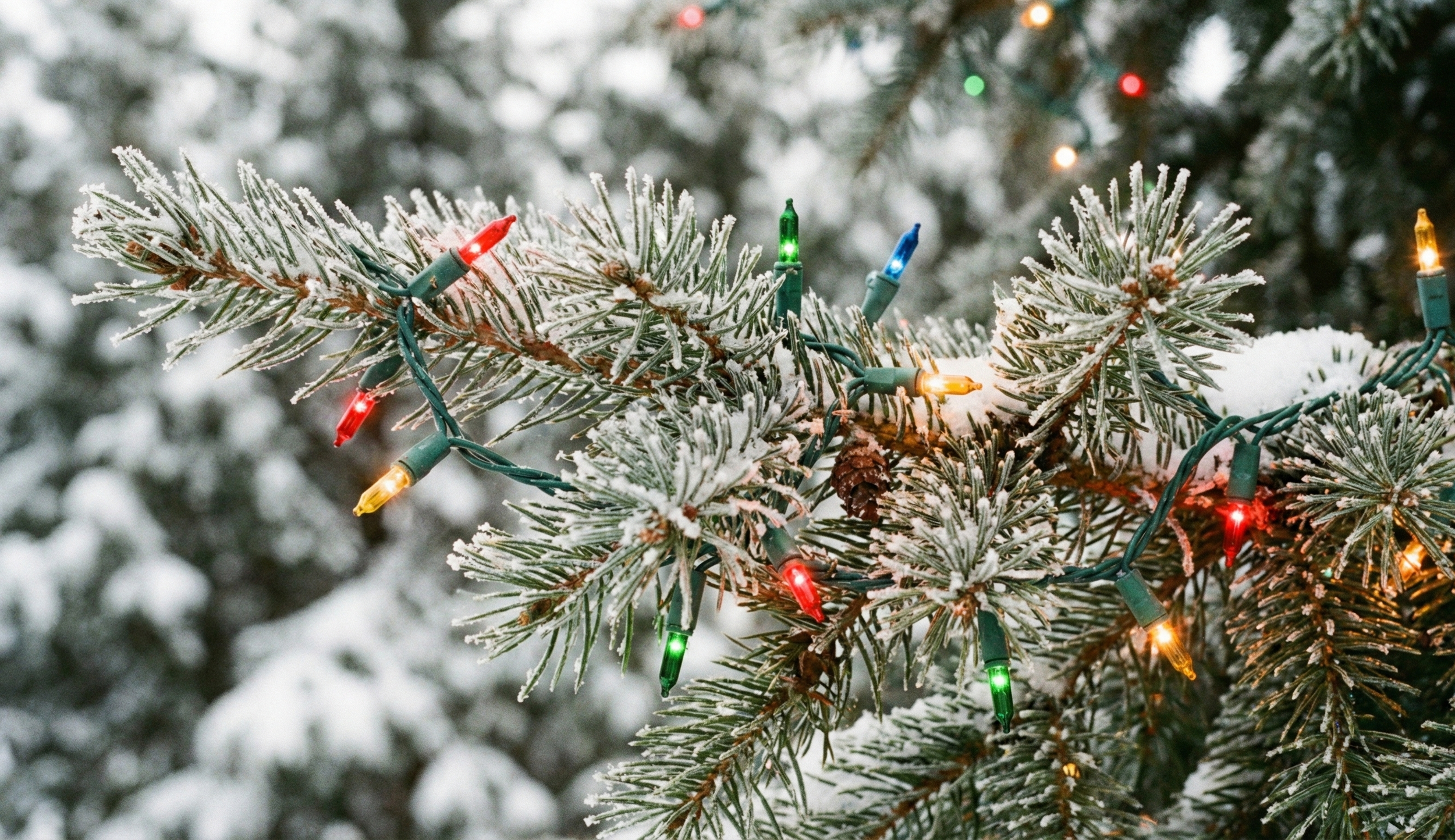
Chip Your Tree for Charity: Give Back to Shuswap Trails This January!
Don’t let your Christmas tree go to waste! Join Trees & Co on January 10th at the Cedar Heights Social Centre for our charity tree chipping event. We’re turning old trees into support for our local outdoor spaces, with 100% of proceeds going directly to the Shuswap Trail Alliance. Click here for the full event details.